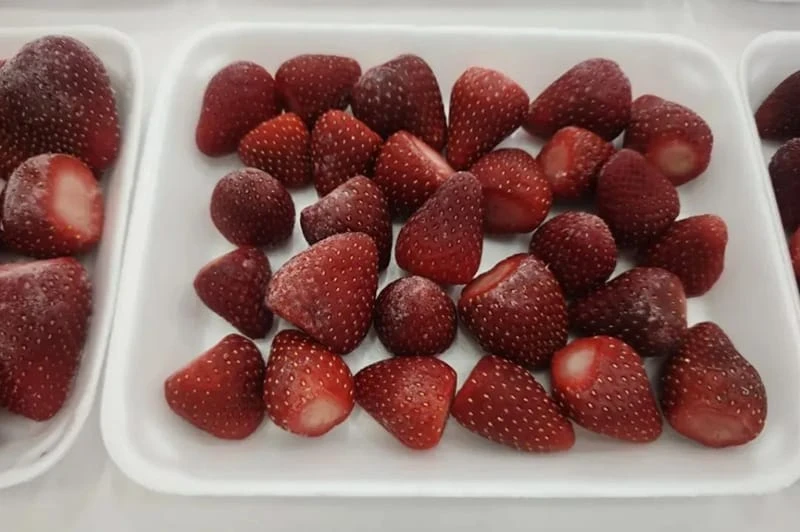
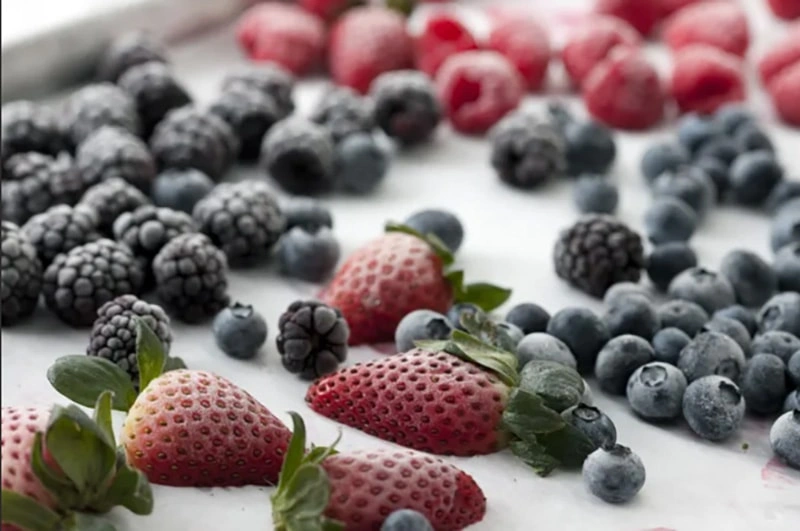
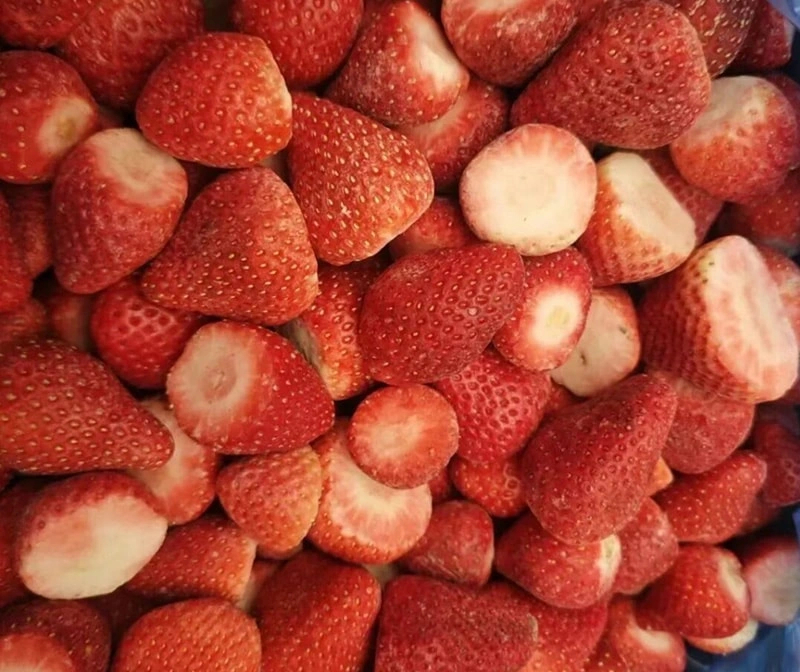
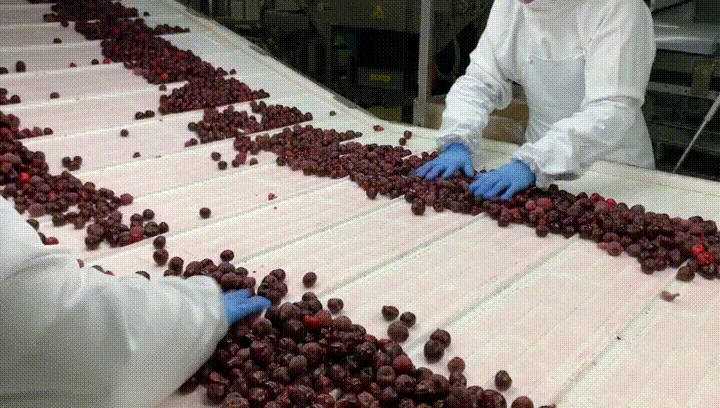
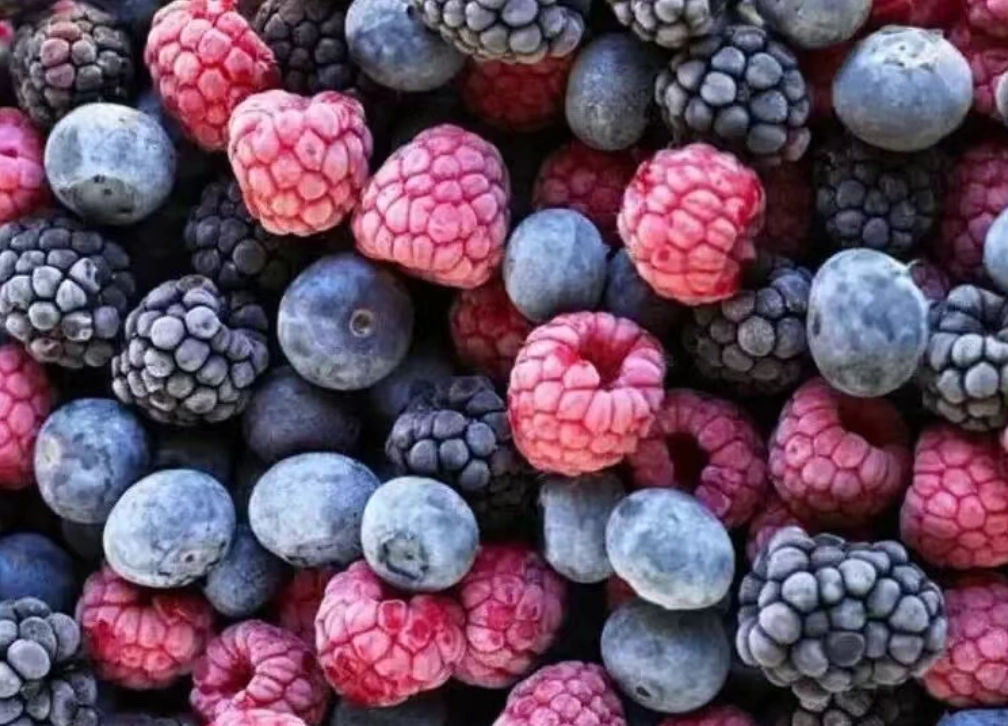
Frozen fruits and vegetables serve as the core raw materials supporting the development of related industries, such as milk tea, jam, preserved fruits, dried fruits, and prepared dishes. The expansion of these industries, in turn, drives the demand for frozen produce, creating a synergistic development pattern.
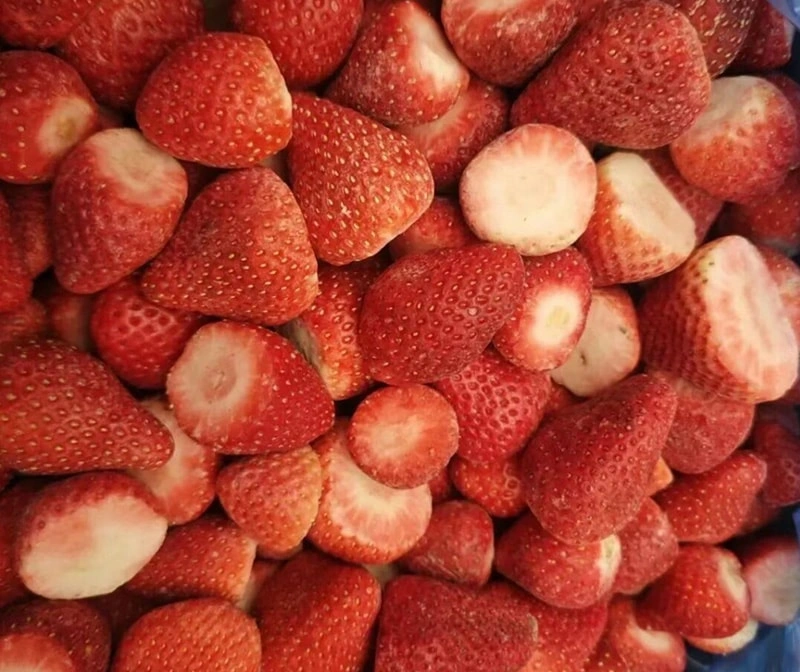
(一) Milk Tea Industry: The Largest Consumer Sector for Frozen Fruits and Vegetables
The Chinese milk tea industry has entered the 3.0 Fruit Tea Era, in which frozen fruits have become a core ingredient. In 2024, the milk tea sector's demand for frozen fruits and vegetables reached 1.2 million tons, accounting for 18% of domestic sales.
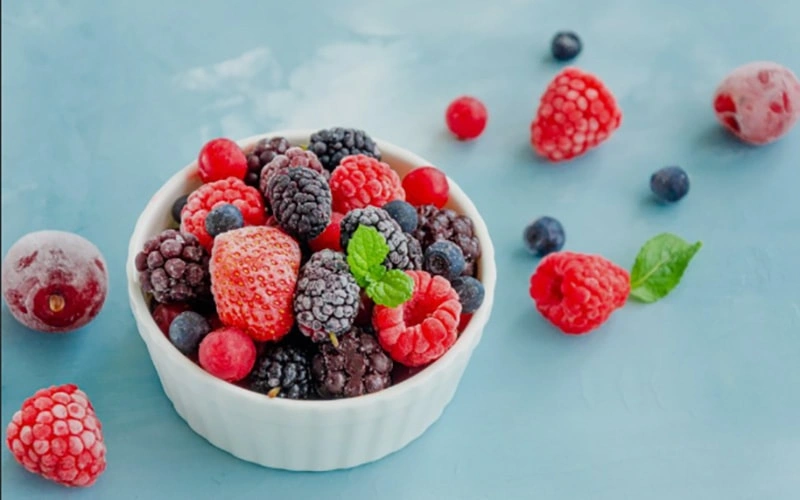
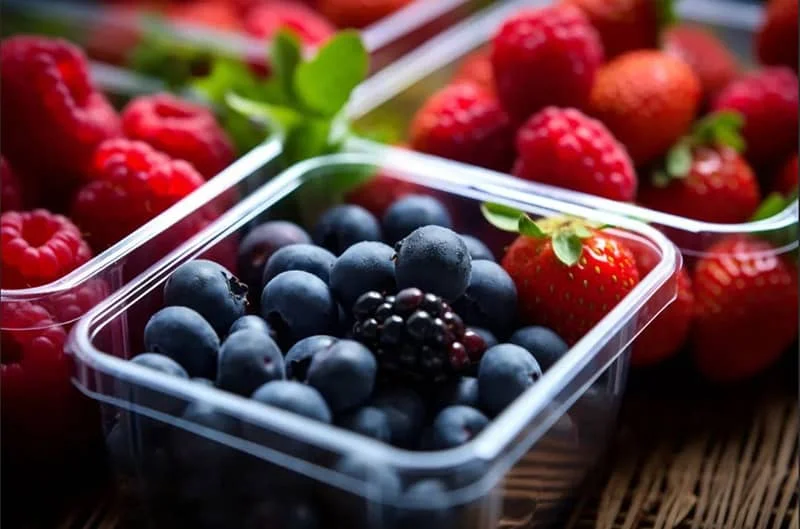
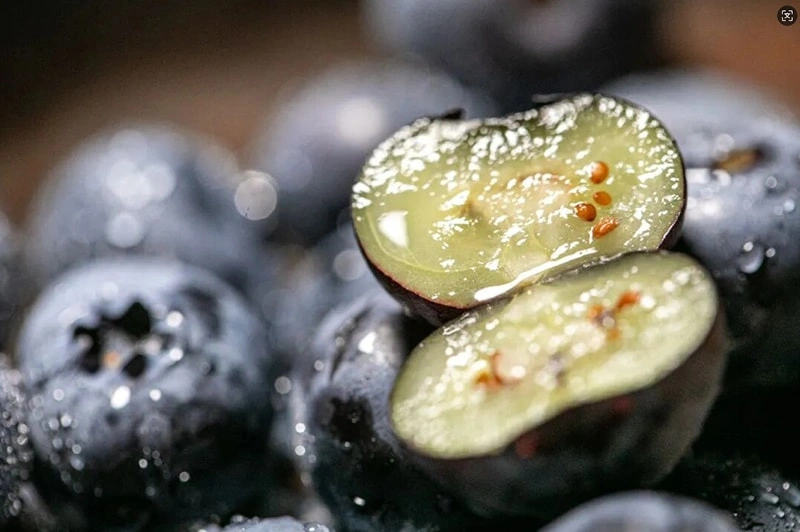
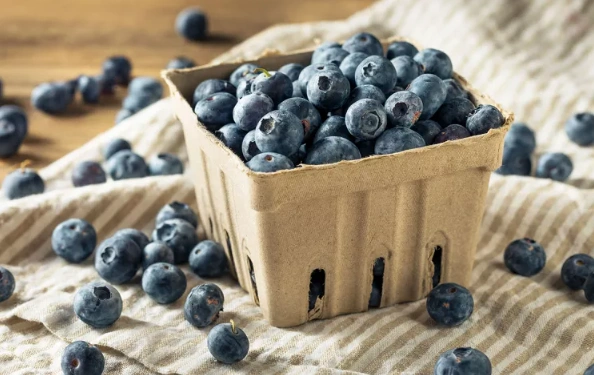
- Core Demand: The milk tea industry primarily requires frozen fruits such as mango, strawberry, grape, blueberry, and passion fruit, emphasizing rich flavor, consistent texture, and year-round supply.
- Due to significant price volatility and short shelf life of fresh fruits, frozen fruits have become the preferred ingredient for tea beverage brands, helping reduce costs and operational risks.
- Product Applications: Frozen fruits are utilized in milk tea through methods such as fruit dicing, puree blending, and smoothie preparation.
(二) Jam Industry
The jam industry represents a traditional application area for frozen fruits and vegetables. In 2024, its demand reached 800,000 tons, accounting for 12% of domestic sales. Frozen fruits and vegetables offer advantages as raw materials for jam production, including stable supply, better nutrient retention, and controllable costs.
- Traditional Jams: Typically made from apples, strawberries, blueberries, and hawthorn using conventional processes, primarily used as spreads for bread and steamed buns.
- Innovative Jams: Customized jams targeting the beverage, bakery, and dairy industries—such as low-sugar, fruit pulp, and multi-flavor jams—largely utilize frozen mango, durian, and grape as raw materials.
- Raw Material Requirements: The jam industry requires frozen fruits and vegetables with high pulp content, intense flavor, and stable brix levels. Frozen fruit purees have become the dominant form due to their convenience.
- Development Trends:
- Low-Sugar and Additive-Free: Growing consumer health consciousness is driving demand for low-sugar and additive-free jams, prompting upgrades in the quality of frozen fruit ingredients, such as the use of low-sugar frozen fruits and natural sweeteners.
- Blended Flavors: Jam brands are introducing mixed fruit varieties (e.g., mango-passion fruit, strawberry-blueberry), boosting demand for diverse frozen fruits.
(三) Preserved and Dried Fruit Industry: Health-Conscious and Premium Trends
The preserved and dried fruit industry is a significant application sector for frozen fruits and vegetables, with a demand of 600,000 tons in 2024, representing 9% of domestic sales.
Frozen fruits and vegetables are processed through dehydration and drying to produce preserved and dried fruits, which retain the nutrition and flavor of the raw materials and have become popular choices for healthy snacking.








Copyright © 2025 by Qingdao Fertile Farmland Eco-agriculture Co., Ltd. All Rights Reserved
Privacy Policy Designed by HUISHANG