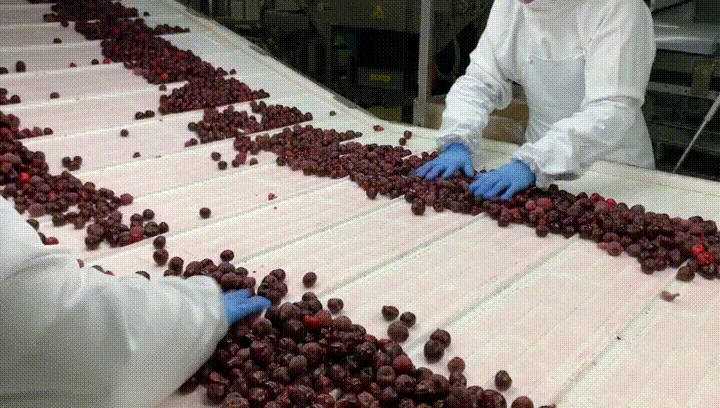
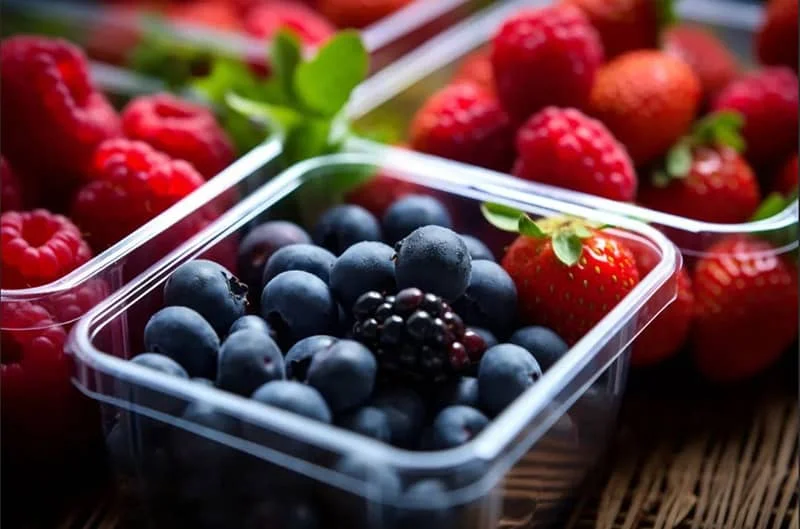
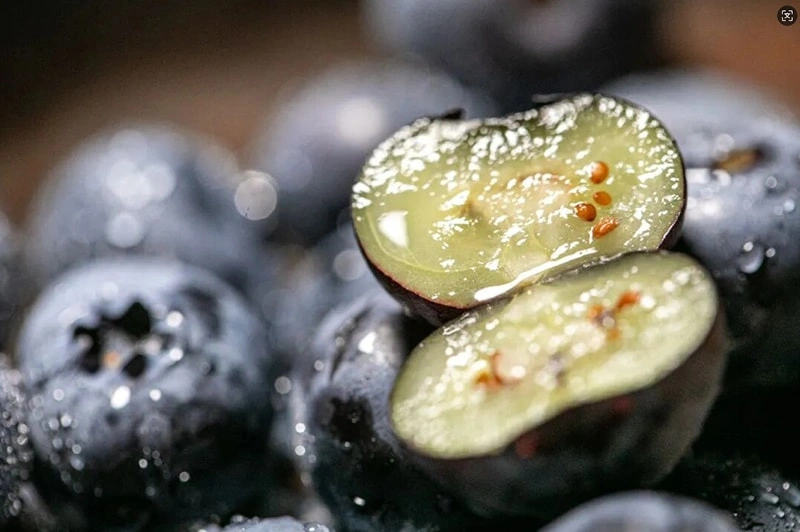
As an initial processed product capable of long-term freshness preservation, frozen fruits and vegetables have only recently gained public recognition, albeit with mixed reception. The core technology involves rapidly reducing the temperature to below -18°C within hours of harvest, which inhibits ice crystal formation in cells, thereby maximizing the retention of vitamins, moisture, and natural flavors. Key advantages include:
1. An extended shelf life of up to 24 months, enabling year-round supply without temporal or geographical constraints.
2. Pre-cleaned, pre-cut, and pre-processed convenience, allowing immediate use in fast-paced consumption scenarios. Many restaurants, catering services, and households now opt for frozen produce for its efficiency.
3. A nutrient loss rate of merely 5%–10%, significantly lower than the over 30% loss associated with ambient-temperature transportation.
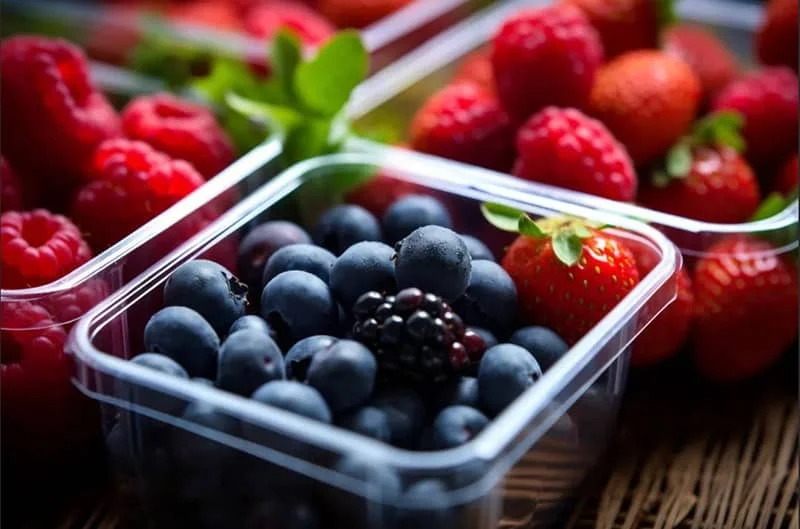
The frozen fruit and vegetable sector is in a phase of rapid development domestically, while in some Western countries, such products and their derivatives have already become commonplace. Globally, the industrial markets for quick-frozen fruits and vegetables are expanding annually, with particularly remarkable growth in China. In the past three years alone, hundreds of cold storage facilities of varying scales have been established to support this expansion.
Driven by improvements in cold chain infrastructure, evolving consumer demands, and enhanced policy support, the industry has shifted from an export-oriented model to a balanced focus on both domestic and international markets. It has evolved into a comprehensive industrial chain encompassing cultivation, processing, logistics, and end-use applications, playing a pivotal role in ensuring stable food supply and advancing agricultural industrialization.








Copyright © 2025 by Qingdao Fertile Farmland Eco-agriculture Co., Ltd. All Rights Reserved
Privacy Policy Designed by HUISHANG